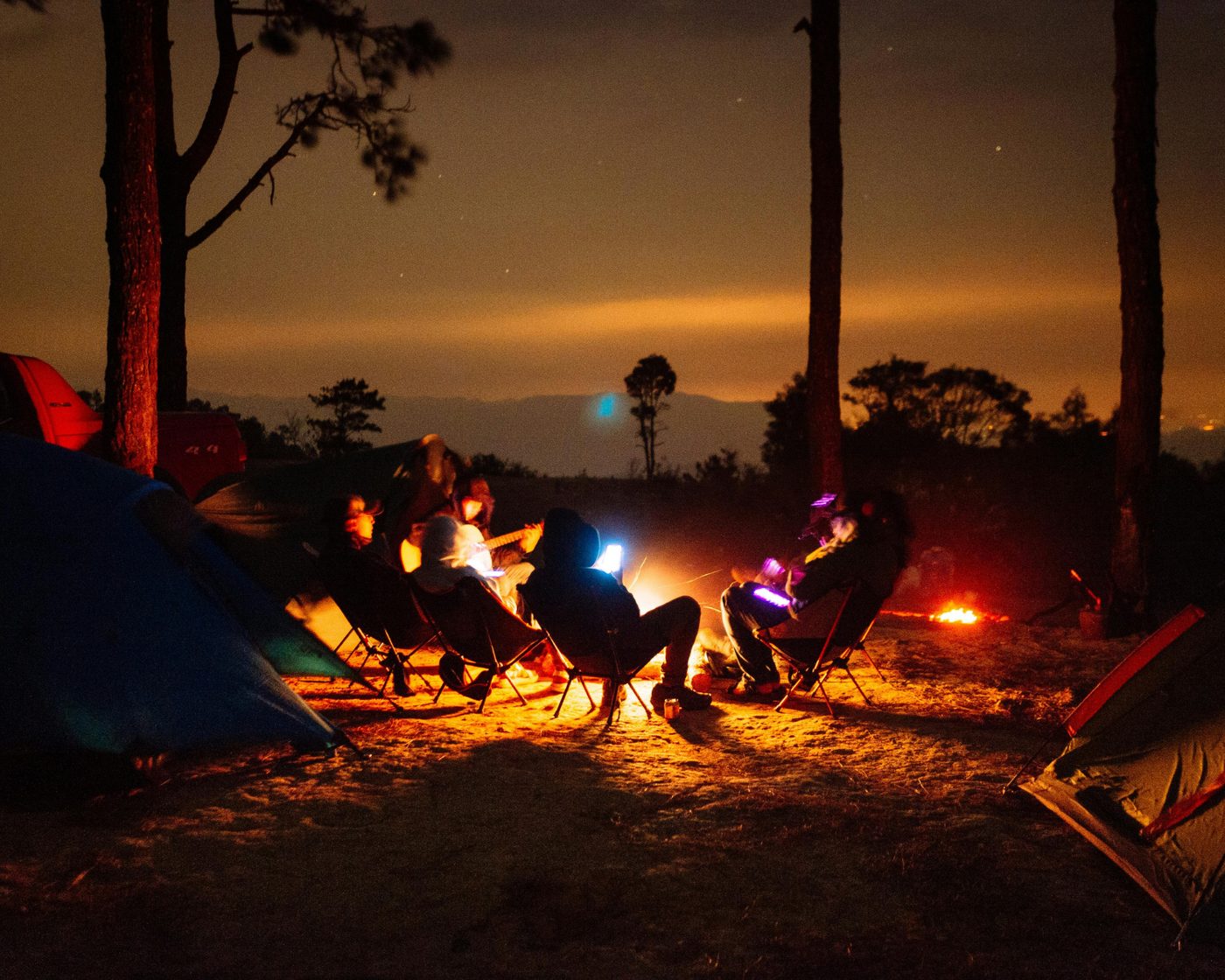
Parents say it all the time. Teens who came home quieter than usual. Kids who picked up their Bible on their own. Young people who spent a week away and returned looking a little more like themselves — more settled, more confident, somehow older without any obvious explanation.
It is not magic. There is an actual reason it happens. And understanding that reason might be the most useful thing you can do before deciding whether to send your teenager to camp this summer.
Here are five things that genuinely shift when a young person spends a week at a well-run Christian camp.
1. They Finally Get to Disconnect — and Discover Who They Are Without It
Teenagers today are living inside one of the most distracting environments in human history. Social media, notifications, group chats, highlight reels, and the constant pressure to be visible. Most of them have never spent more than a few hours truly unplugged.
Camp removes all of it.
For the first day or two, some teens do not know what to do with themselves. That discomfort is actually the point. When the noise goes away, young people start hearing their own thoughts again. They notice things. They make actual eye contact. They have real conversations.
Research on adolescent development consistently shows that unstructured time away from screens — especially in community with peers and adult mentors — supports stronger self-awareness, emotional regulation, and identity formation. Camp is one of the few remaining spaces where that can happen naturally.
2. They Are Mentored by Adults Who Are Not Their Parents
This one matters more than most parents realize.
Teens are at a stage of development where they are actively separating from parents as the primary source of guidance and wisdom. That is healthy. It is supposed to happen. But it leaves a gap — and what fills that gap matters enormously.
At a well-run Christian camp, teens are surrounded by vetted adult leaders, coaches, and mentors who are invested in their growth, available for real conversation, and modeling something worth aspiring to. Those relationships are not always dramatic. Sometimes it is just a counselor who notices that a kid is struggling and pulls up a chair.
Ray Desiderio, founder of Edge Impact, has spent more than 25 years doing exactly that — mentoring teenagers and young adults who needed someone to see them clearly and challenge them to grow. The programs at Edge Impact are designed so that mentorship is not a side effect of camp. It is the center of the whole thing.
3. Serving Others Rewires How They See Themselves
There is a strange thing that happens when young people serve. They come into it thinking they are doing something for someone else. And they leave having received something they did not know they needed.
This is not sentiment. It is a well-documented psychological phenomenon. Adolescents who engage in meaningful service work show measurable increases in empathy, self-esteem, and sense of purpose. They develop what researchers sometimes call a prosocial identity — a self-image built around what they can contribute, rather than what they consume.
The Moto Camp at Edge Impact dedicates an entire day to service and community impact. It is built into the structure of the week because the team understands that riding, however great it is, is not enough on its own. Getting kids off the track and into service teaches them something the track never can.
4. Faith Becomes Something They Own, Not Something They Inherited
This is the one parents either lean into or feel unsure about. So let me say it plainly.
Christian camp does not manufacture faith. It creates conditions where authentic faith — or honest questioning — can actually develop. For some teens, that looks like deepening a belief they already held. For others, it looks like asking hard questions out loud for the first time and finding that nobody tells them to stop asking.
Edge Impact does not require a religious background to participate in any of its programs. The team does not use pressure, guilt, or manipulation. What they do create is an environment where faith is talked about openly, honestly, and in the context of real life — and where every teen has the space to engage at their own level.
Many parents who are not religious themselves have sent their teens to faith-based camps and reported back that the values instilled — integrity, service, purpose, resilience — were exactly what they hoped their child would absorb. The wrapper may be Christian. The outcome is universally human.
Faith is not downloaded. It is discovered — usually in community, usually outdoors, usually in the middle of something hard.
5. They Find Out What They Are Made Of
Camp asks things of teenagers. Physical things. Relational things. Spiritual things. And that asking is the whole point.
When a 14-year-old rides a motocross track for the first time and falls down and gets back on, something happens. When a 16-year-old spends a day doing service work alongside people they have never met, and finds out they are capable of more than they thought — something happens. When a teenager sits in a small group conversation and shares something true about themselves for the first time, in front of peers — something happens.
That something is confidence. Not the performed kind. The real kind — built on actual evidence of what they did, what they survived, and who showed up for them.
That is what a great camp week does. And it is why the teens who attend Edge Impact programs often come back the following year — and bring a friend.
Where to Start
Edge Impact runs two programs this summer that are designed to deliver exactly this kind of experience:
- Moto Camp (July 19–22, 2026) — 4 days of riding, service, mentorship, and community at Camp Comanche and Hurricane Hills Sports Center in Pennsylvania. Ages 8+. $540 full / $500 early registration.
- Tri-State Mission Trip (July 17–26, 2026) — 10 days of outreach, service, and leadership development across NY, NJ, and PA. $650 full / $600 early registration.
Scholarships are available for both programs. No previous faith background required.
Learn more at edgeimpact.org or contact Ray directly at ray@edgeimpact.org.