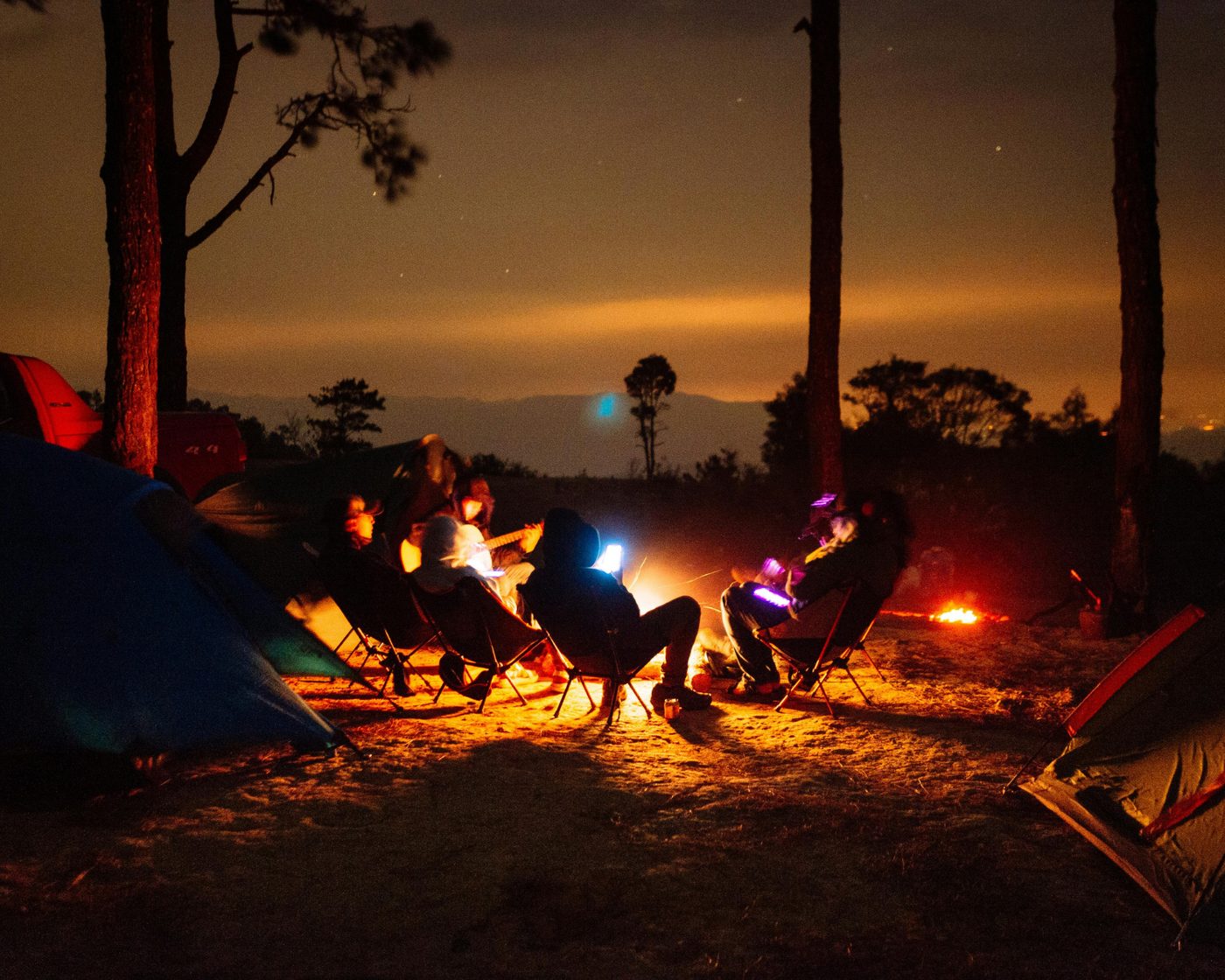
Your teenager has been invited to a faith-based camp. Maybe a friend is going. Maybe your church recommended it. Maybe you found it while searching for summer programs that offer more than just recreation. Whatever brought you here, you probably have questions — and if this is your family's first time, maybe a few nerves too.
That is completely normal. Sending your child into a new environment with new people and unfamiliar expectations is a big step. This guide covers what most parents want to know before their teen heads off to a faith-based camp for the first time.
What Does a Typical Day Look Like?
Faith-based camps are not all-day church services. Most parents are surprised by how active and varied the daily schedule is. A typical day at a well-run youth camp includes a mix of physical activity, group time, meals together, structured free time, and faith-focused sessions.
At Edge Impact's Moto Camp, for example, the day might include motocross riding instruction in the morning, a community service project in the afternoon, group devotions in the evening, and plenty of downtime with new friends in between. The schedule is intentionally full — not frantic, but purposeful. Boredom is rare. So is exhaustion, because the day is designed with rest built in.
Most camps run on a consistent daily rhythm that helps teens feel grounded quickly, even in an unfamiliar setting. By day two, most kids have stopped checking the schedule and are just flowing with the group.
How Is My Child Supervised?
This is the question every parent should ask — and the one that separates a good camp from a great one.
At reputable faith-based camps, adult leaders are background-checked, trained, and present at all times. These are not college students earning minimum wage. They are mentors — often adults with years of experience working with teenagers — who understand adolescent development and are there because they believe in the mission.
Edge Impact maintains low camper-to-leader ratios across all its programs. Founder Ray Desiderio has spent more than 25 years building a team of leaders who are vetted, trained, and genuinely invested in every teenager they work with. Safety protocols cover everything from activity-specific risks to emotional wellbeing and medical preparedness.
The best camps do not just watch your child. They see your child — and that is a meaningful difference.
If you are evaluating a camp, ask about their leader-to-camper ratio, background check process, and emergency protocols. Any camp worth attending will answer those questions openly and thoroughly.
What If We Are Not Religious?
This is one of the most common concerns parents have — and one of the most important to address honestly.
Faith-based does not mean faith-required. At Edge Impact, no religious background is needed to participate in any program. Teens are not evaluated on their beliefs, tested on scripture, or pressured into any kind of commitment. What they will encounter is an environment where faith is discussed openly, where values like integrity and service are lived out in front of them, and where they are free to engage at whatever level feels right.
Many families who do not attend church have sent their teens to Edge Impact programs and reported that the values instilled — empathy, resilience, personal responsibility, and purpose — were exactly what they hoped for. The faith element provides a framework for those values, not a barrier to accessing them.
If your child has questions about faith, they will find adults who are happy to talk about it honestly. If they do not, nobody will force the conversation. That is what a healthy faith environment looks like.
Will My Teenager Actually Make Friends?
Yes. And often, they will make the kind of friends that are harder to find at school.
Camp friendships form fast because the environment removes most of the social armor teenagers wear in their daily lives. There are no phones to hide behind. No social hierarchies imported from the hallway. No image to maintain. When teenagers are thrown into shared challenges — whether that is a mission trip, a motocross track, or a group service project — they bond over what they do together rather than what they look like or who they know.
For teens who struggle socially, who feel like they do not fit in at school, or who are simply quiet and overlooked, camp can be the place where they finally feel like they belong. That is not a small thing. For some teenagers, it changes everything.
Why Do Kids Come Home Different?
Parents say it all the time. Their teenager came back from camp quieter. More thoughtful. More willing to help around the house without being asked. Something shifted, and they cannot quite explain it.
Here is what actually happens. A well-run faith-based camp removes teenagers from their usual environment and places them in a context where they are challenged physically, relationally, and spiritually — all at once. They are asked to try hard things. They are surrounded by adults who believe in them. They serve others and discover they are capable of more than they thought.
That combination produces something that no school program, sports team, or family vacation can replicate. It produces evidence. Not evidence of what someone told them they could be, but evidence of what they actually did, who showed up for them, and what they are made of.
That evidence is what they carry home. And it is why so many teens who attend an Edge Impact program come back the following year — and bring a friend.
Questions Before You Register
If you are considering sending your teen to a faith-based camp for the first time, here are a few practical things to think about:
- Talk to your teen honestly. Share what you know about the program and ask what excites or worries them. Their buy-in matters.
- Ask the camp your questions. Good programs welcome parent inquiries. Edge Impact's team is available at edgeimpact.org/contact or by phone at (908) 635-7767.
- Do not let cost be the deciding factor. Edge Impact offers scholarships for every program because the team believes no motivated teen should stay home for financial reasons.
- Start with a shorter program. Moto Camp runs four days — a manageable first experience for both teens and parents.
The hardest part is often the decision to say yes. After that, the camp does what it was built to do.